
Defensive Driving Training (2W/4W/HMV)
Professional and comprehensive modules for Defensive Driving Training (2W/4W/HMV).
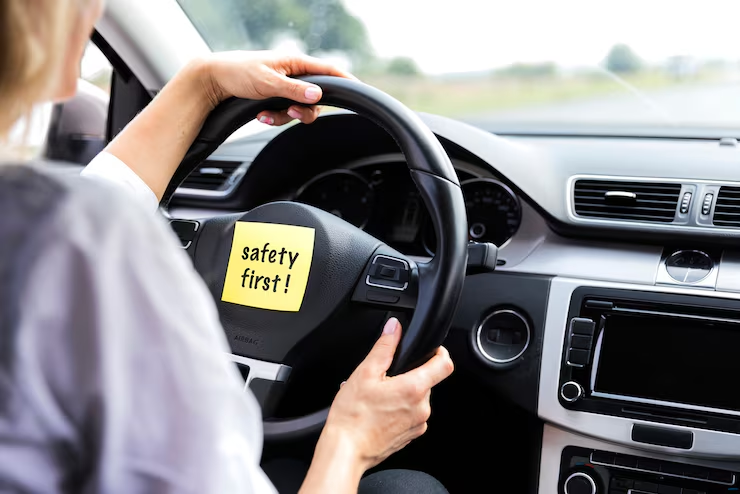
Course Overview
The Defensive Driving Training program covers vehicle-specific defensive techniques for two-wheelers (2W), four-wheelers (4W), and heavy motor vehicles (HMV). Participants learn hazard perception, safe following distances, blind spot management, adverse weather driving, night driving techniques, and emergency maneuvers. The program includes both classroom theory and practical behind-the-wheel assessments to build measurable driving competency.
Vehicle-Specific Modules
Two-Wheeler (2W) Defensive Driving

Two-wheelers are the most vulnerable vehicles on the road. This module focuses on maintaining proper balance, braking techniques on different surfaces (including wet roads), managing blind spots of larger vehicles, and the crucial importance of high-visibility gear and DOT-approved helmets. Riders learn to anticipate the actions of other drivers and position themselves defensively to maximize visibility and reaction time.
Four-Wheeler (4W) Defensive Driving
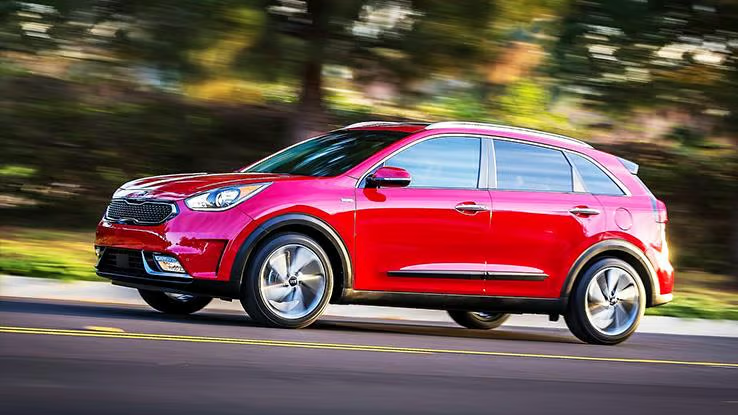
Four-wheeler training emphasizes space management, including the 3-second rule for following distance, hazard scanning techniques, and managing intersections safely. Drivers learn to handle adverse weather conditions, navigate complex traffic scenarios, and avoid distractions such as mobile phone usage. The training also covers fatigue management for long journeys.
Heavy Motor Vehicle (HMV) Defensive Driving
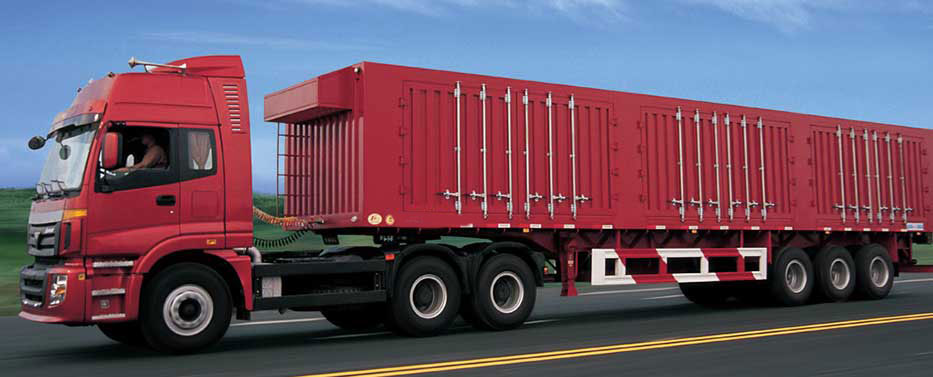
Driving heavy commercial vehicles requires specialized skills due to their massive weight and extended stopping distances. This module covers proper load distribution, managing large blind spots (no-zones), safe turning techniques to avoid clipping, and braking systems. Drivers are trained on rollover prevention, navigating steep gradients, and the profound responsibility of operating an HMV in mixed traffic.
Learning Outcomes
- Apply the Smith System of defensive driving
- Perceive and respond to road hazards proactively
- Execute emergency braking and evasive maneuvers safely
- Drive safely in adverse weather and night conditions
- Manage interactions with aggressive drivers
Why this Training is Critical
Defensive driving training reduces accident rates by 30-50% according to NSC studies. For organizations operating vehicle fleets, this directly translates to reduced insurance claims, lower vehicle maintenance costs, fewer worker compensation claims, and most importantly — saved lives. Many corporates now mandate defensive driving certification for all employees who drive on company business.
Real-World Training in Action
See high-quality photos from our actual training sessions.